Sectors / Shopping and business centres
SHOPPING AND BUSINESS CENTRES
The environment people come back to a shopping centre for
The shops at shopping centres largely overlap. Visitors choose by how the space feels. The artistic environment sets that feeling - holds people longer, brings them back, gives the centre a distinctive image. Shopping centres are the sector ENTORA works with most.
Atrium art installations and Christmas decoration: one studio for the whole process
Permanent atrium installations and Christmas decoration stay in the same hands: concept, engineering, fabrication, installation and removal. The aim is that visitors come back more often and stay longer.
What the artistic environment changes in a shopping centre
The environment works as a system: sculptural signature pieces in the atriums, light installations along the galleries, sculptures at the entrances and zones that end up in a photo. Every element shapes dwell time, visit frequency and how distinctive the centre becomes.
An atrium that becomes a meeting point
A visitor walks into a large space and looks for something to catch the eye. The point where the eye stops becomes a meeting place. The centre acquires an internal geography, the visitor a reason to linger.
Spots designed to be shared
A visitor photographs what surprises them and posts it themselves. Every frame shows the centre to people who have not been there yet. Visitor footfall turns into a flow of mentions.
A distinctive image the centre is known by
Centres of one format blur together in memory. A strong artistic image stays attached to the place - the centre is named and remembered by it. That sets it apart from peers in the same format.
What isn't measured can't be improved
Our results
Market context
72% of consumers aged 35-44 expect events and experiences from retail.
JLL, 2025
In 2024 Spain's shopping-centre sales rose 3.5% and footfall 3.4%; occupancy reached 95.4%.
Cushman & Wakefield
In 2026 footfall is flat: growth does not reach every centre.
Cad&Lan
How to bring online shoppers back to the centre
The atrium decides what the centre is remembered for
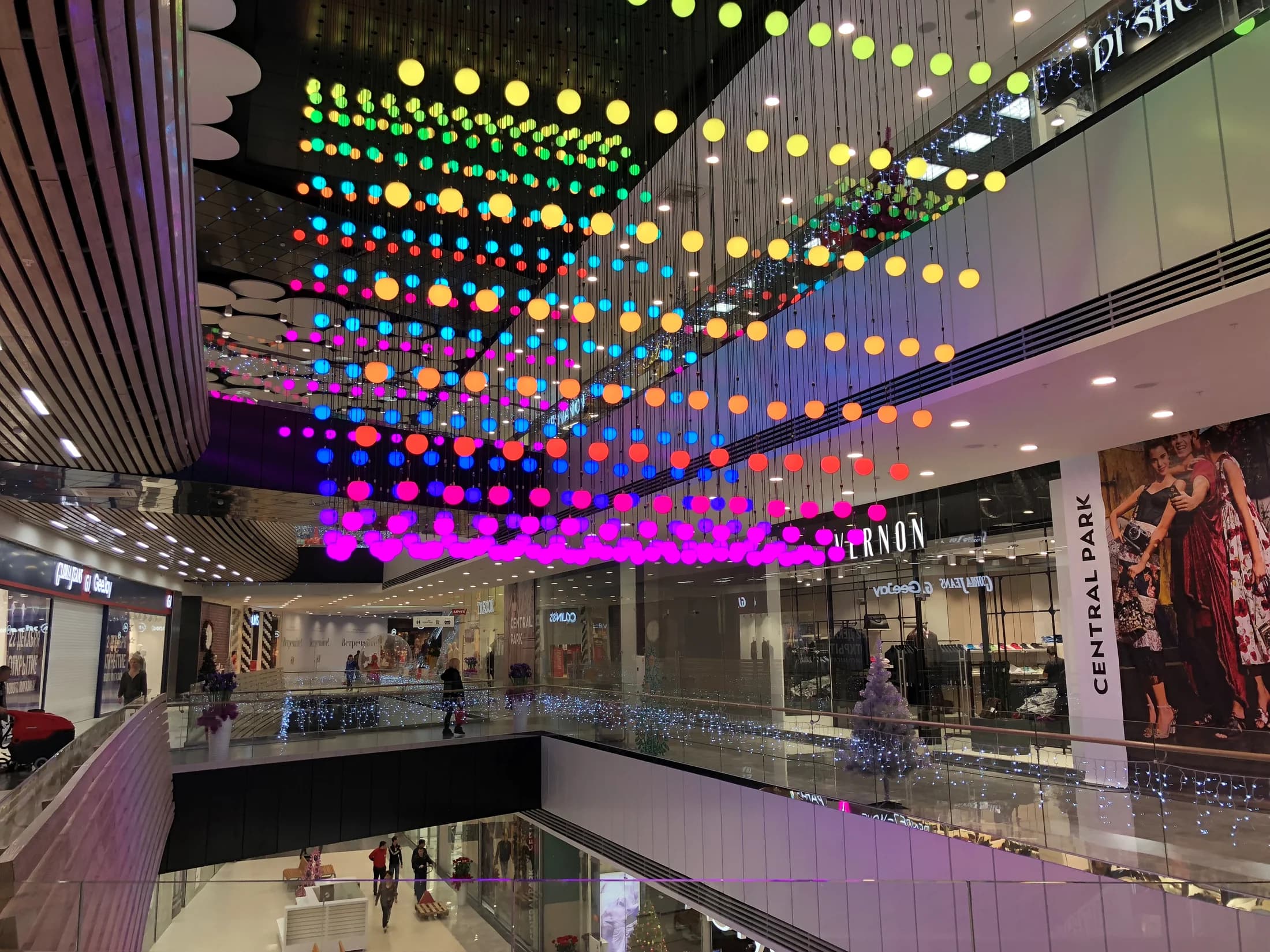
Completed · 2019
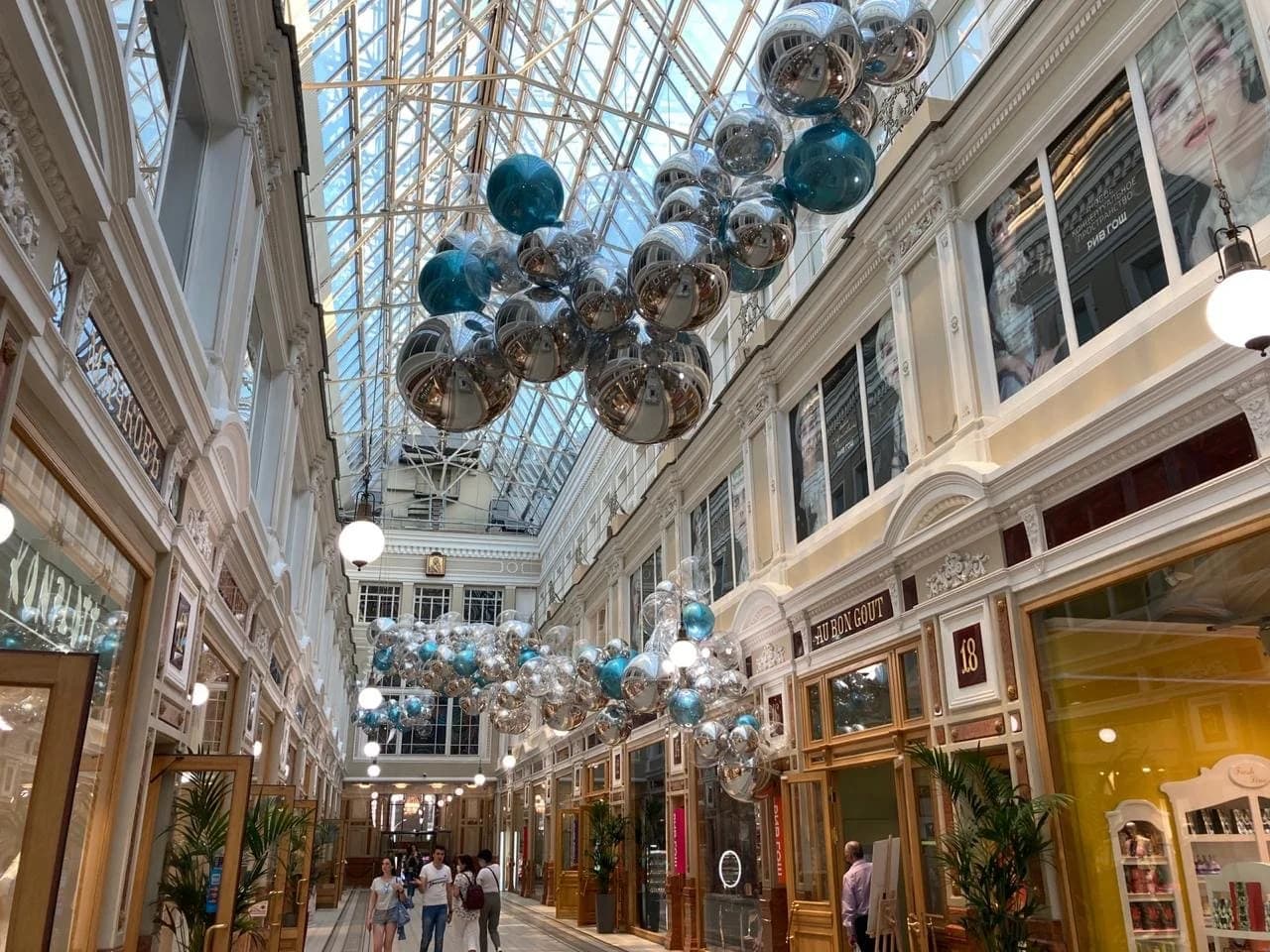
Completed · 2022
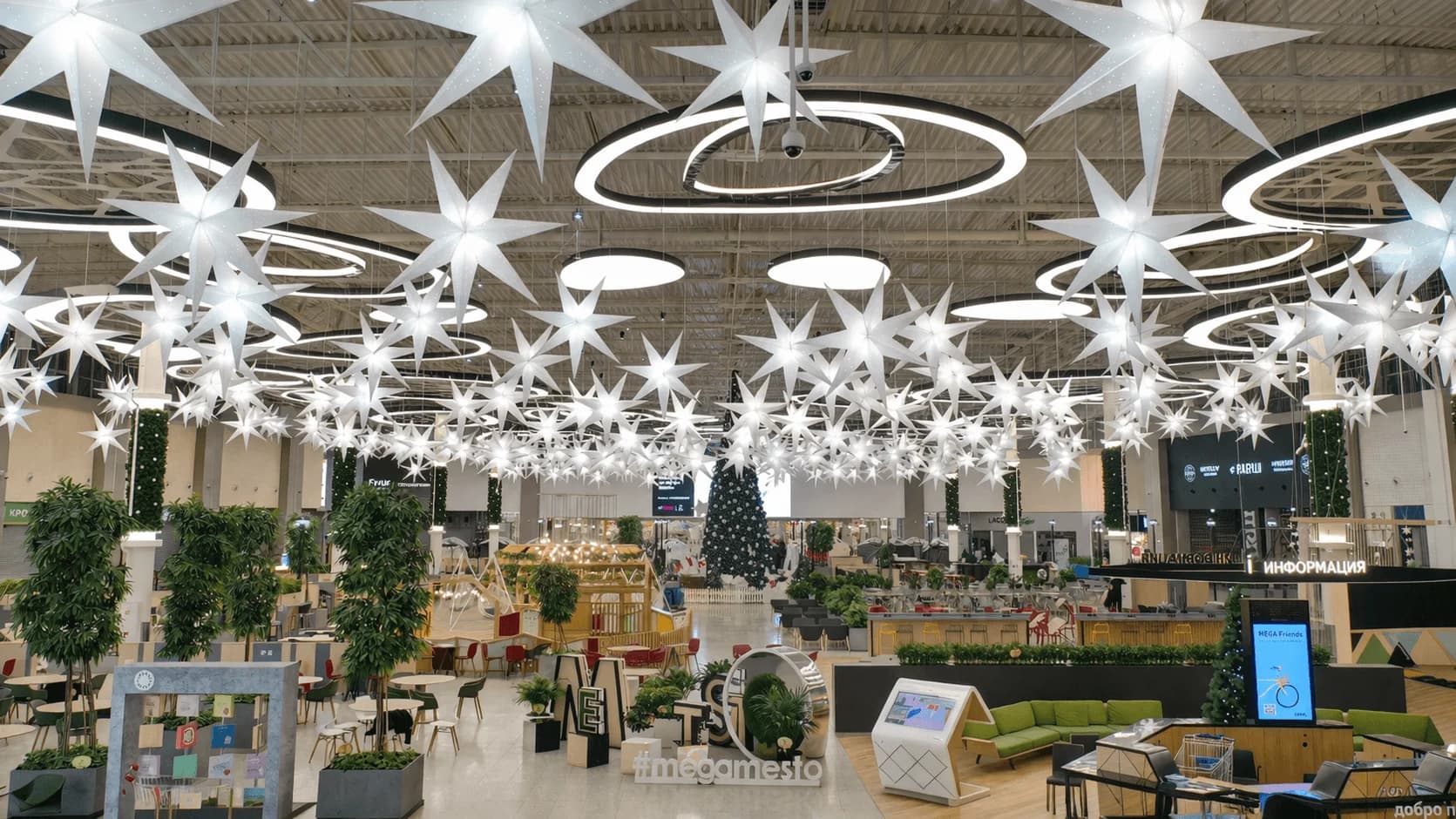
Completed · 2018-2023
December, the month people look forward to all year
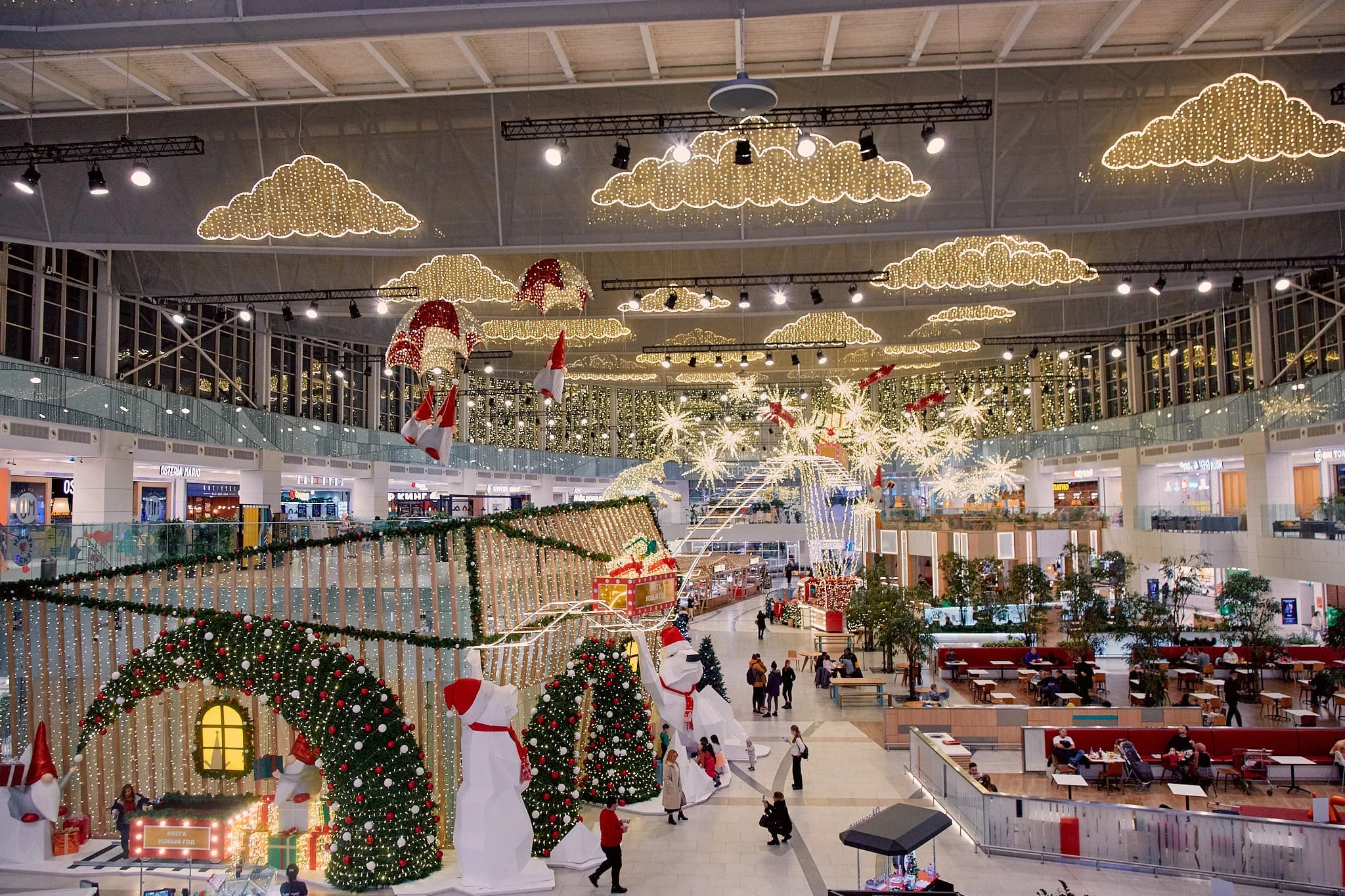
Completed · 2021-2023
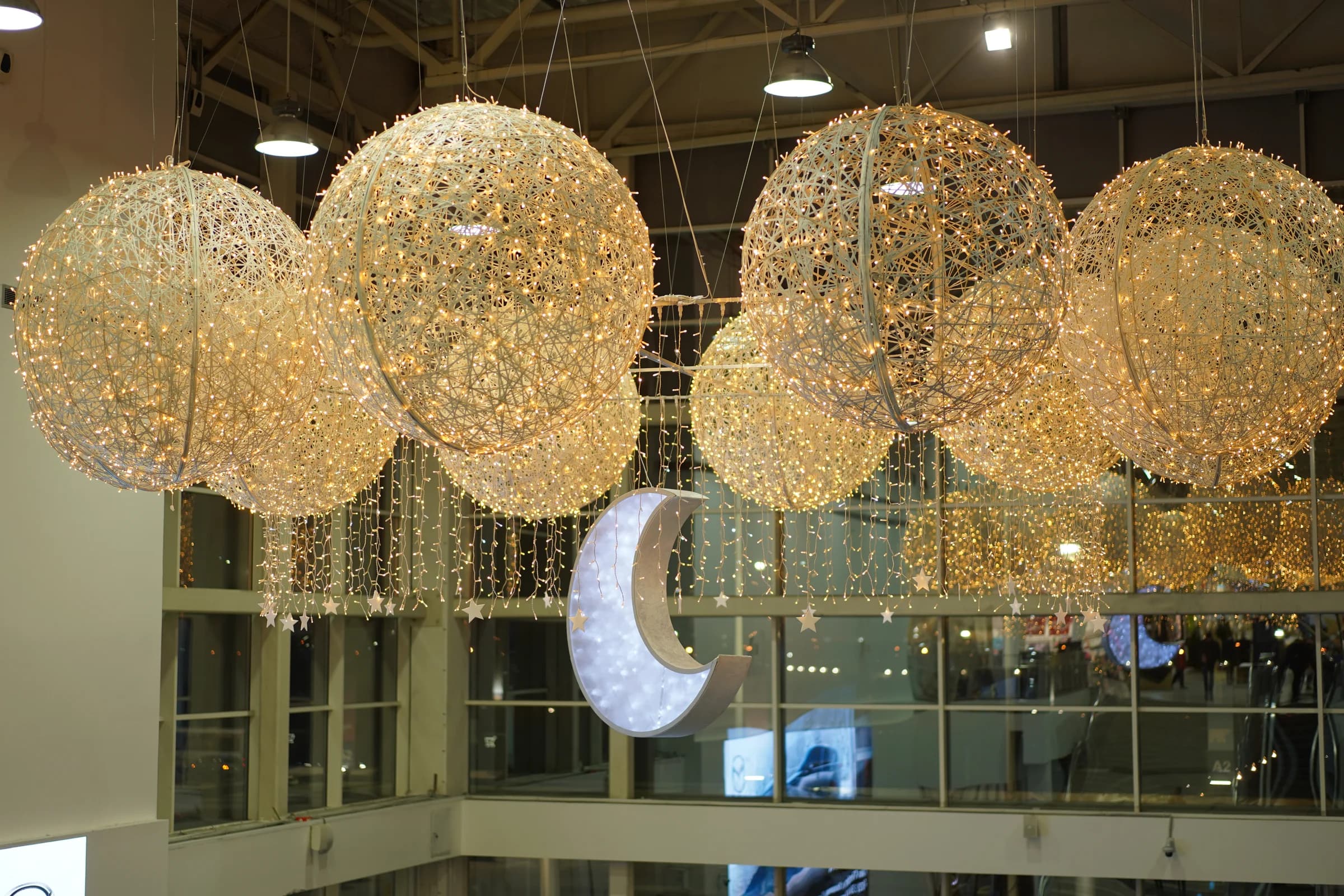
Completed · 2020-2022
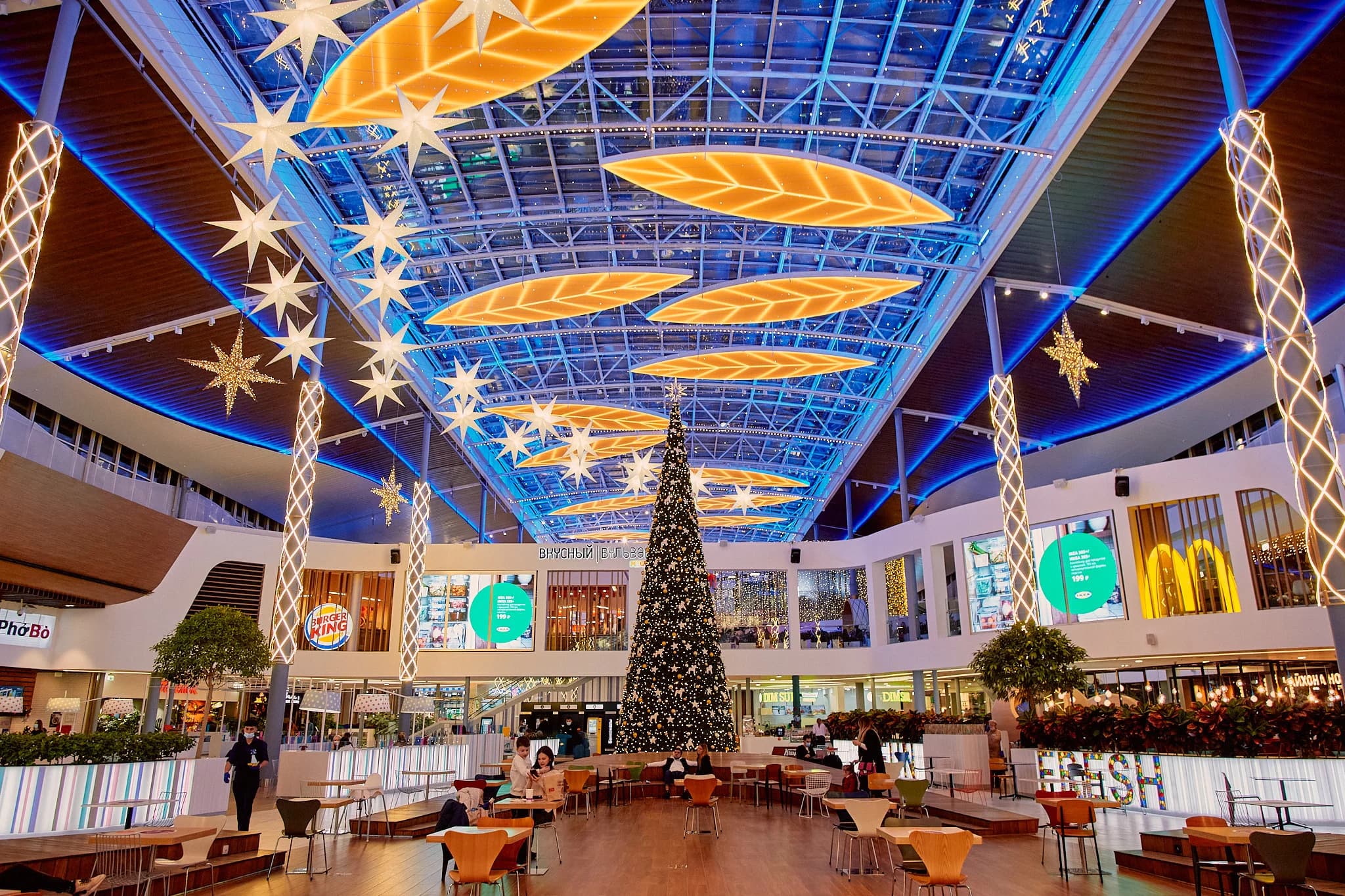
Completed · 2020-2023
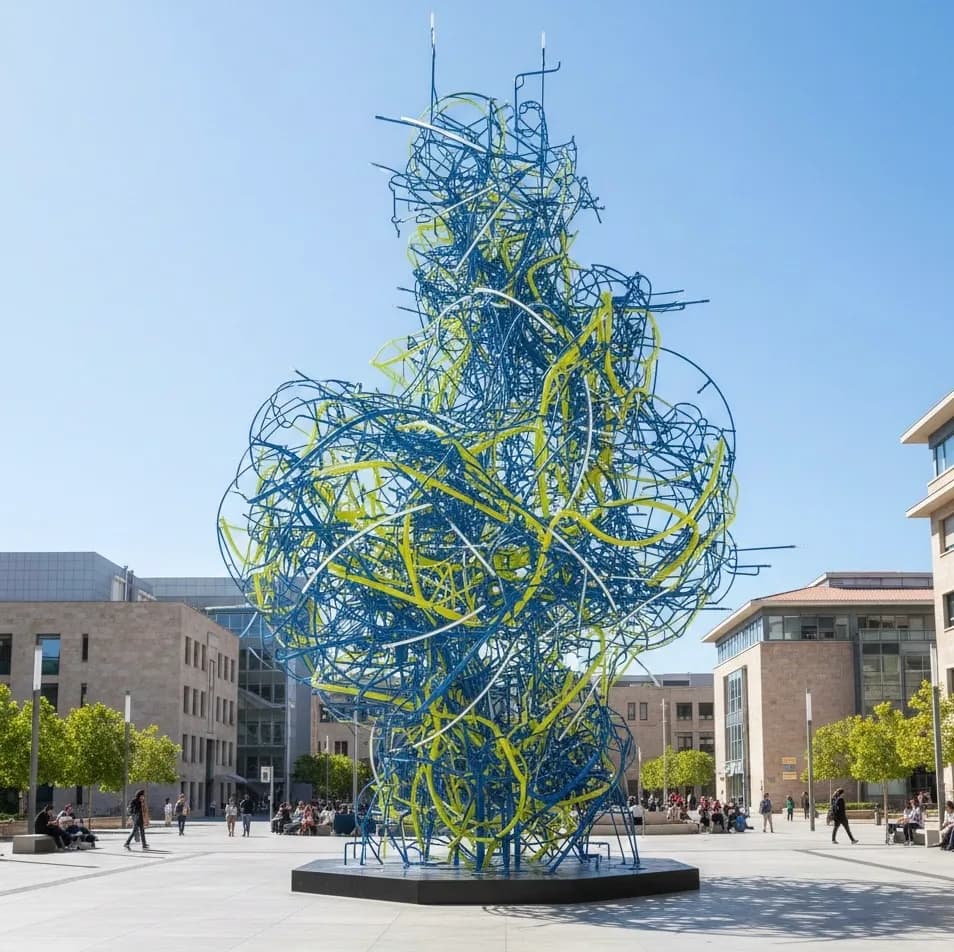
The piece that becomes the meeting point
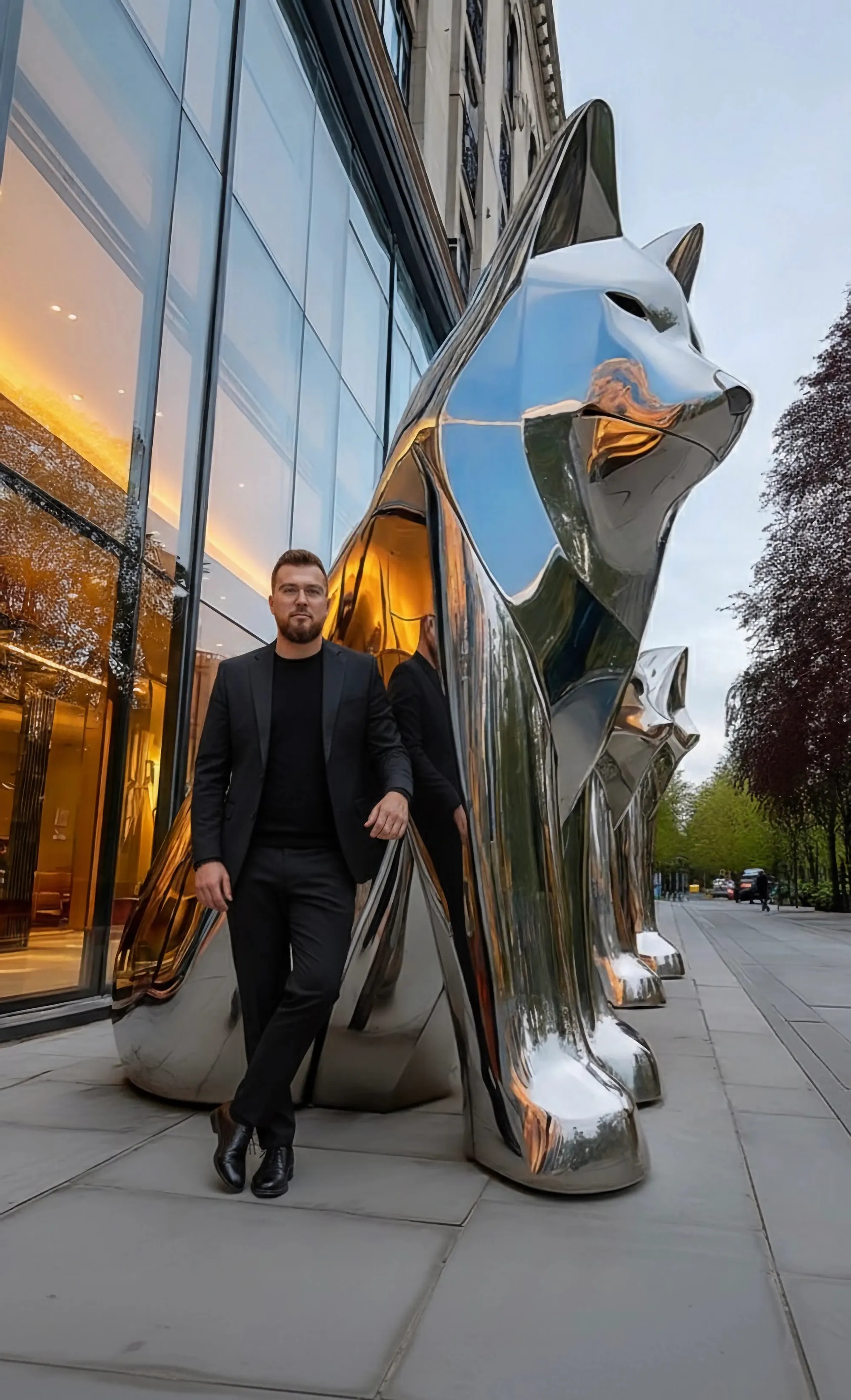
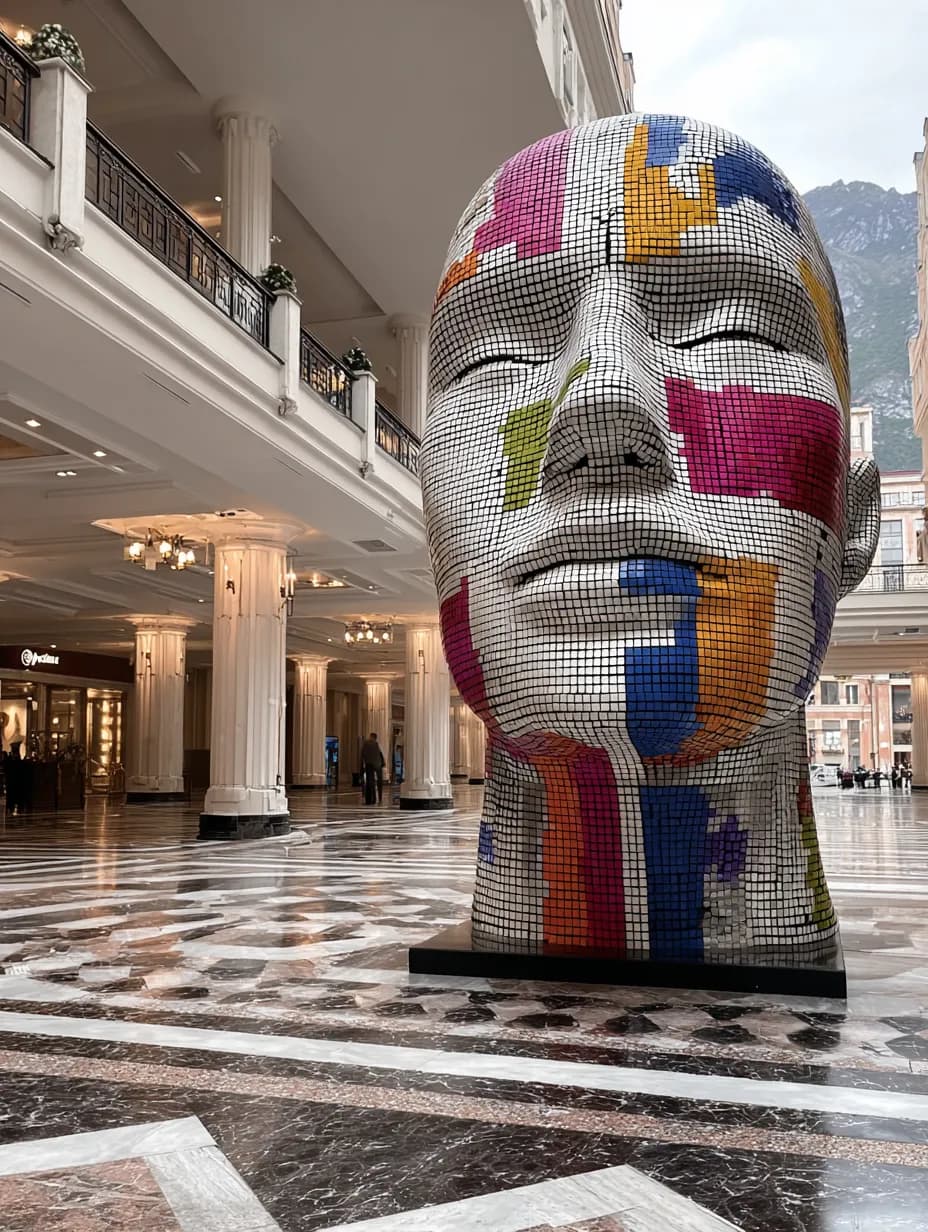
Original compositions at the entrance: a reason to come back
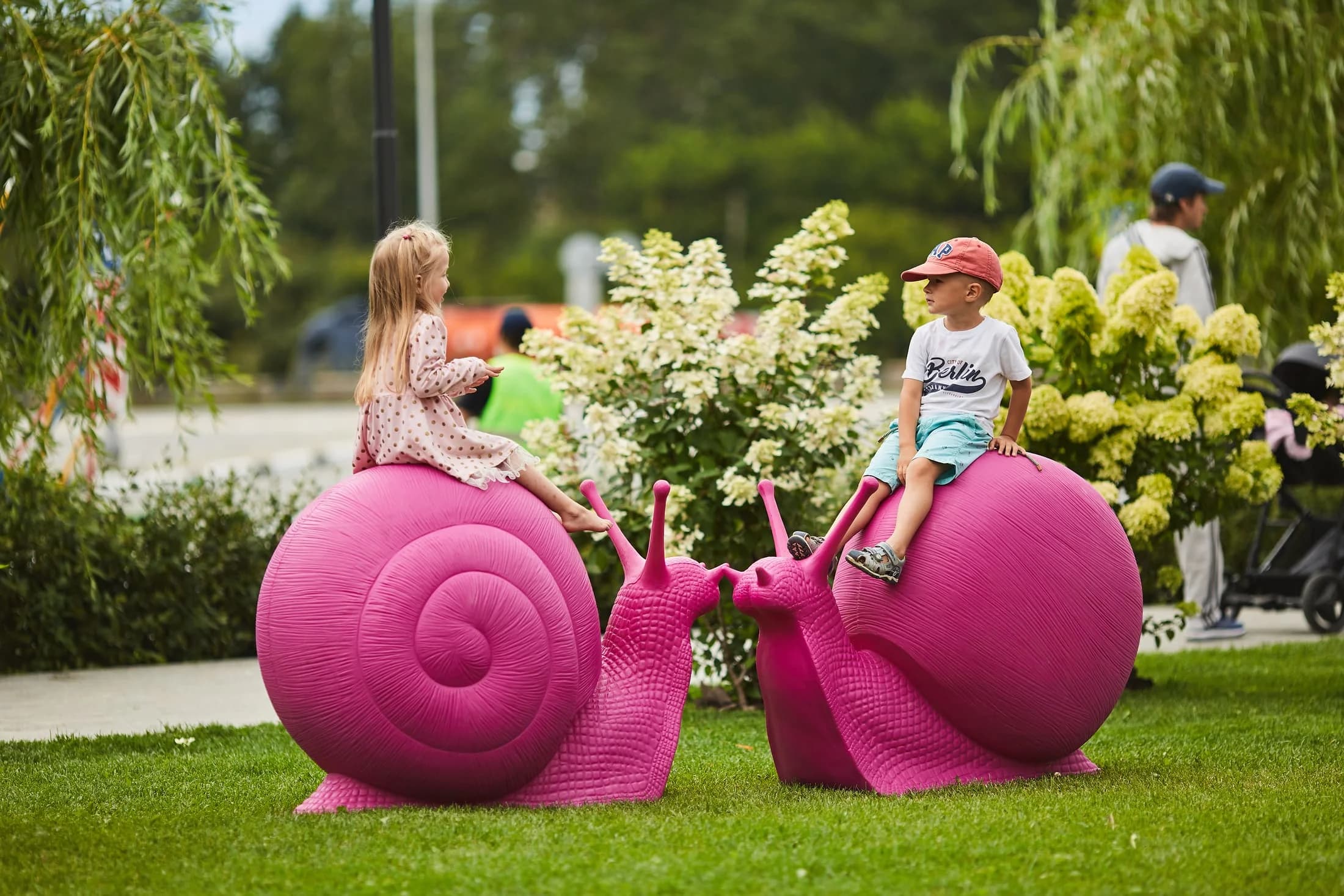
Completed · 2021
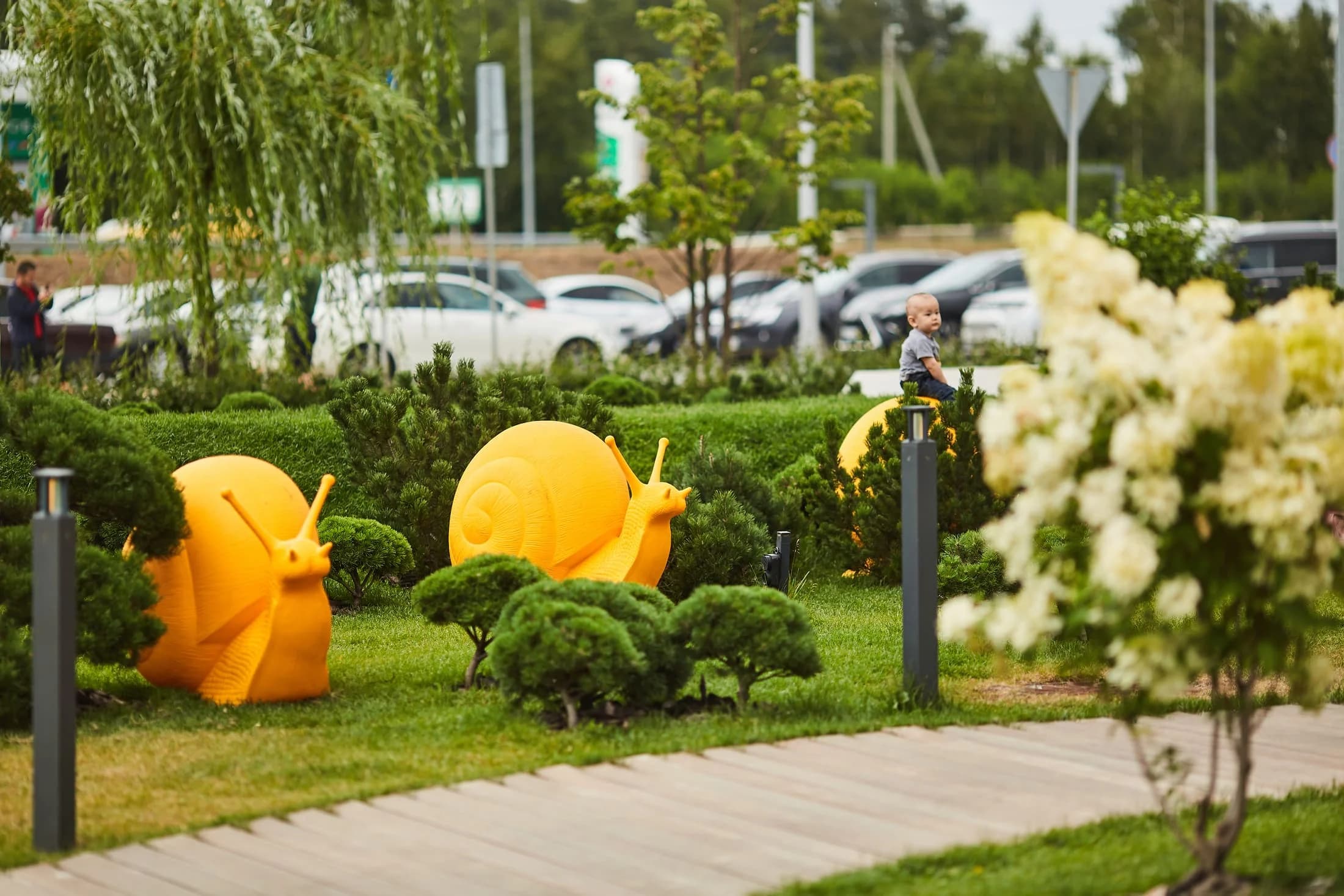
Completed · 2021
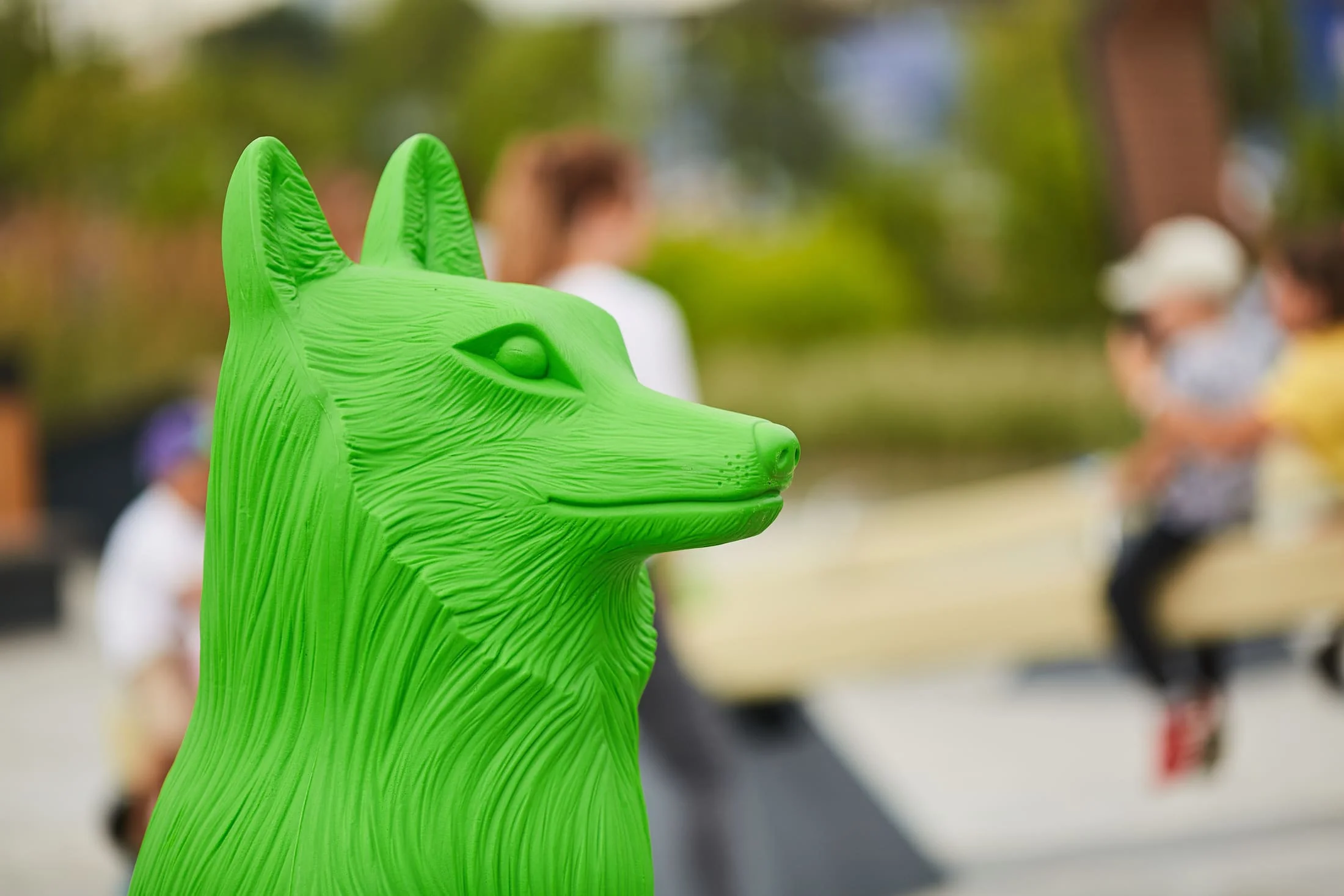
Completed · 2021
Completed works and concepts. We design your centre's environment to your brief.
KINETIC CONCEPTS
Kinetic installations bring movement into the space itself. The eye follows the form, the atrium feels alive and holds attention.
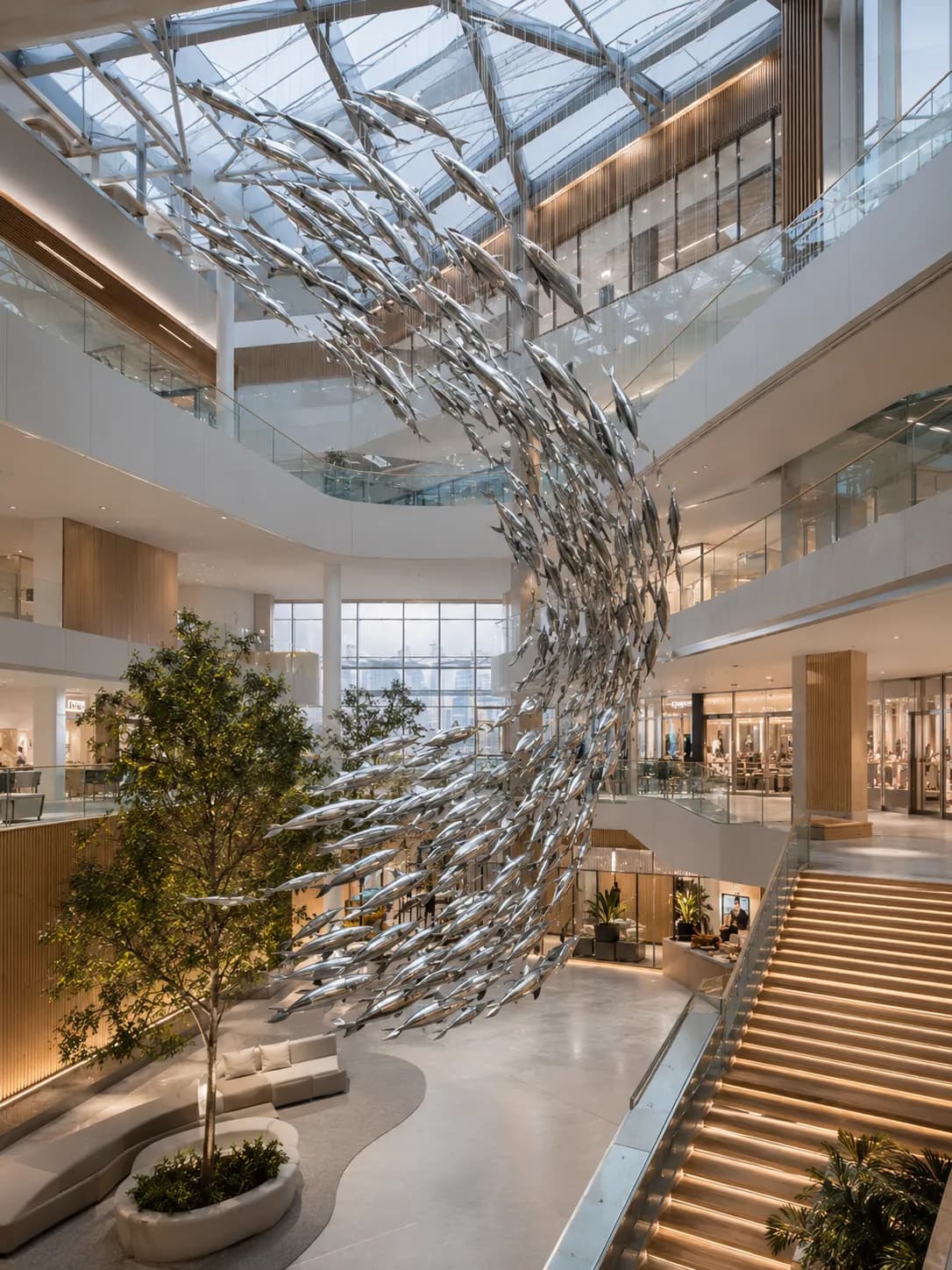
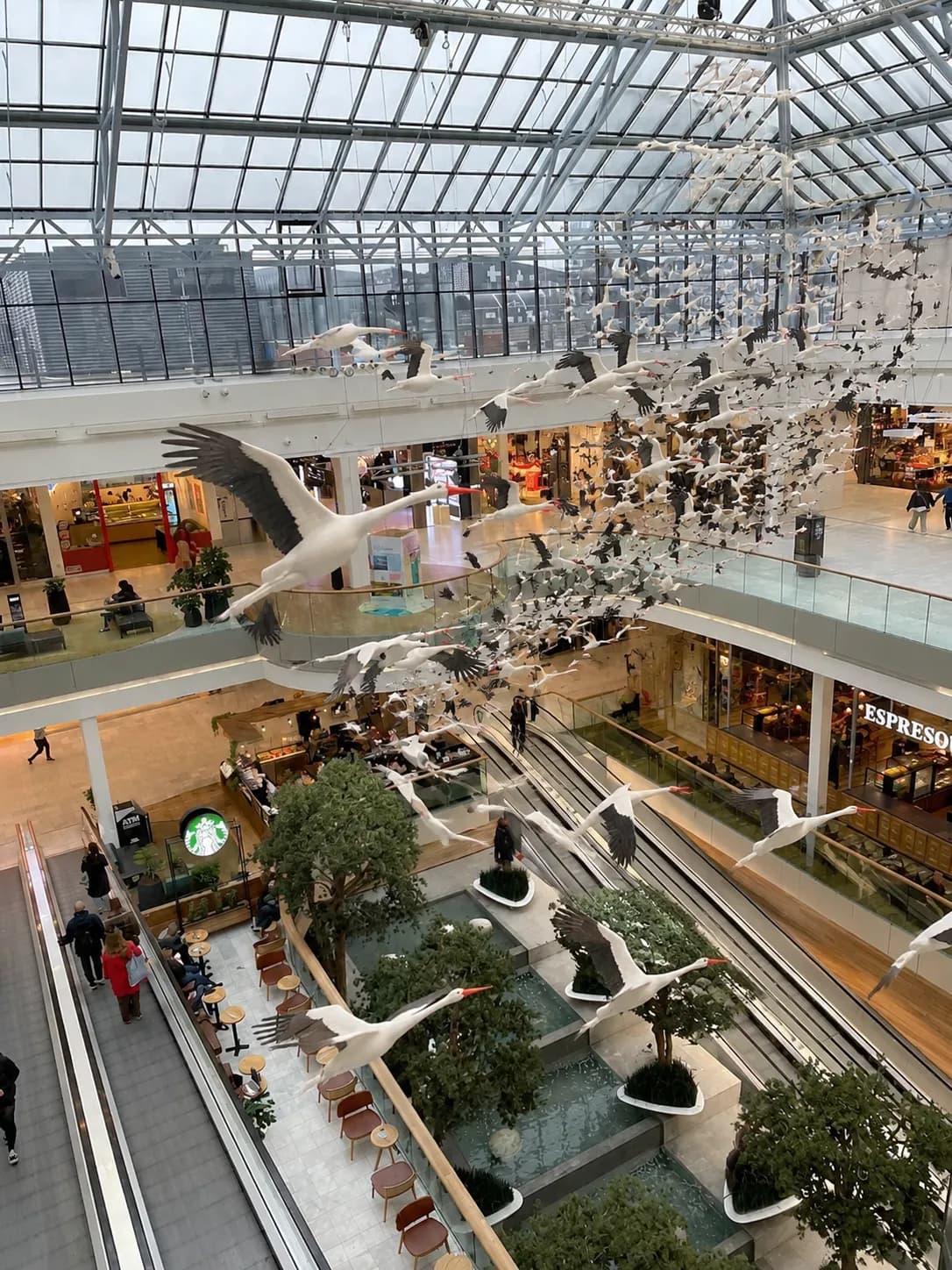
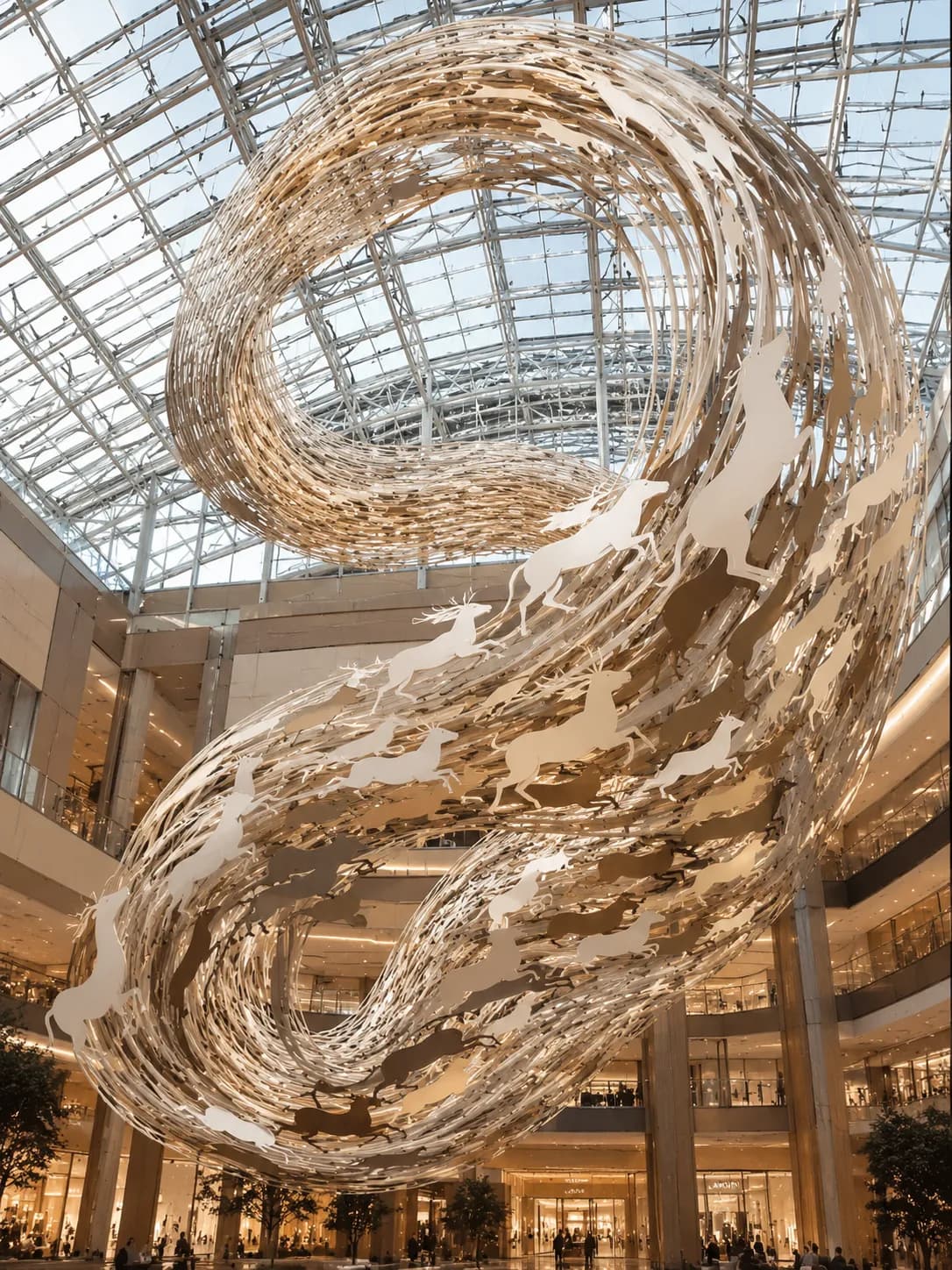
Christmas decoration for a shopping centre
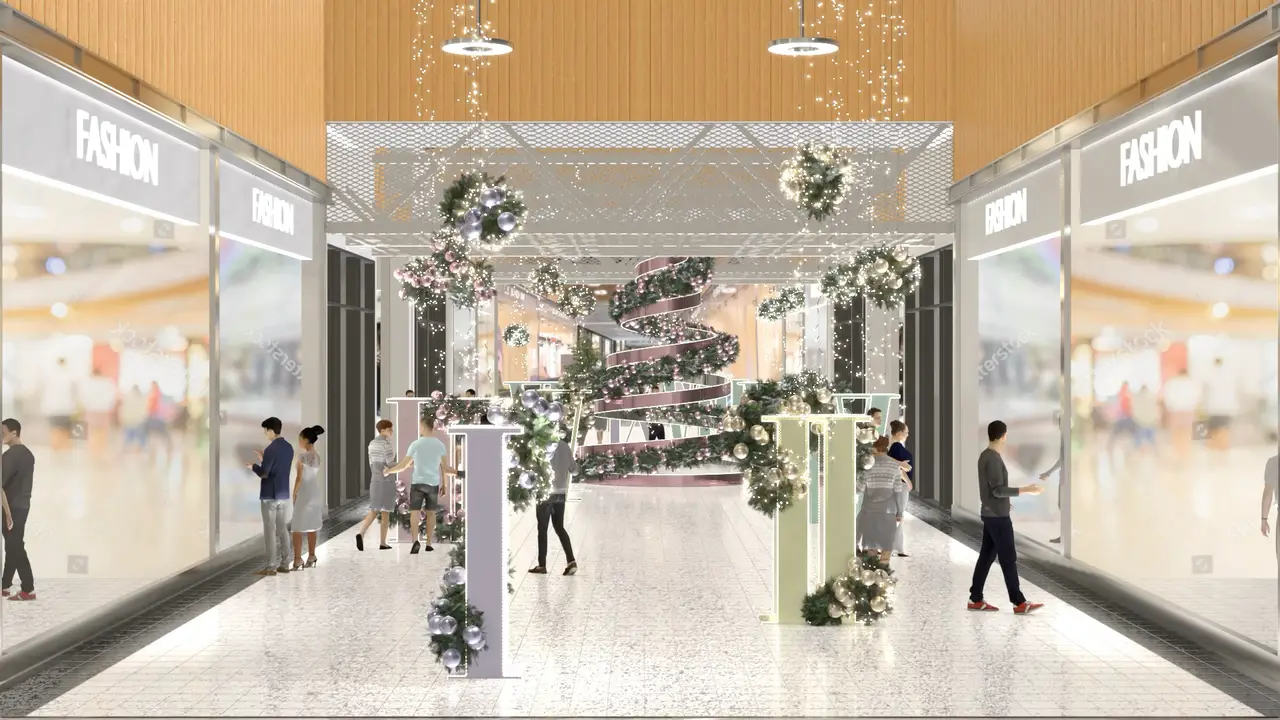
December starts in summer. For a large centre the hardest work falls in June and July: the engineering of the suspended structures, the load calculations and the start of fabrication. The whole process, from the meaning behind it to the moment the gallery lights come on, takes three to four months, and ENTORA runs it end to end. One contract, one pair of hands. The cost estimate is fixed before production starts, and what goes up in the centre is exactly what was signed off in the visualisation.
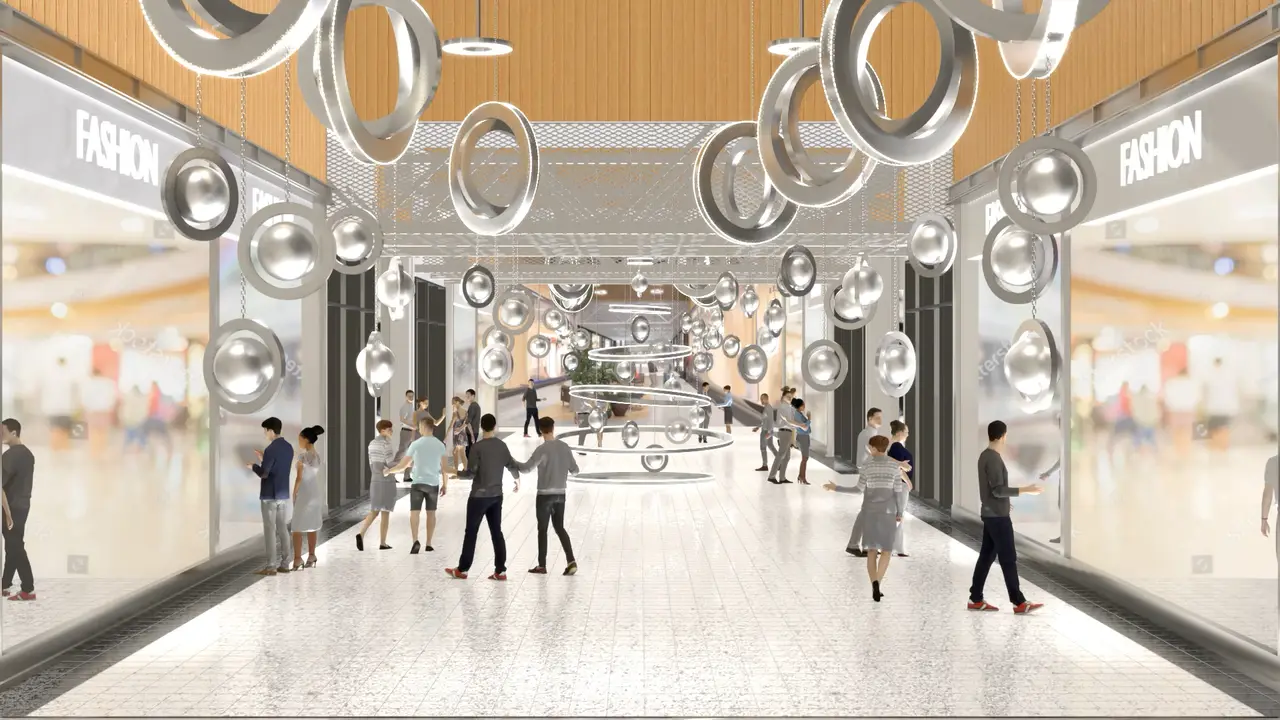
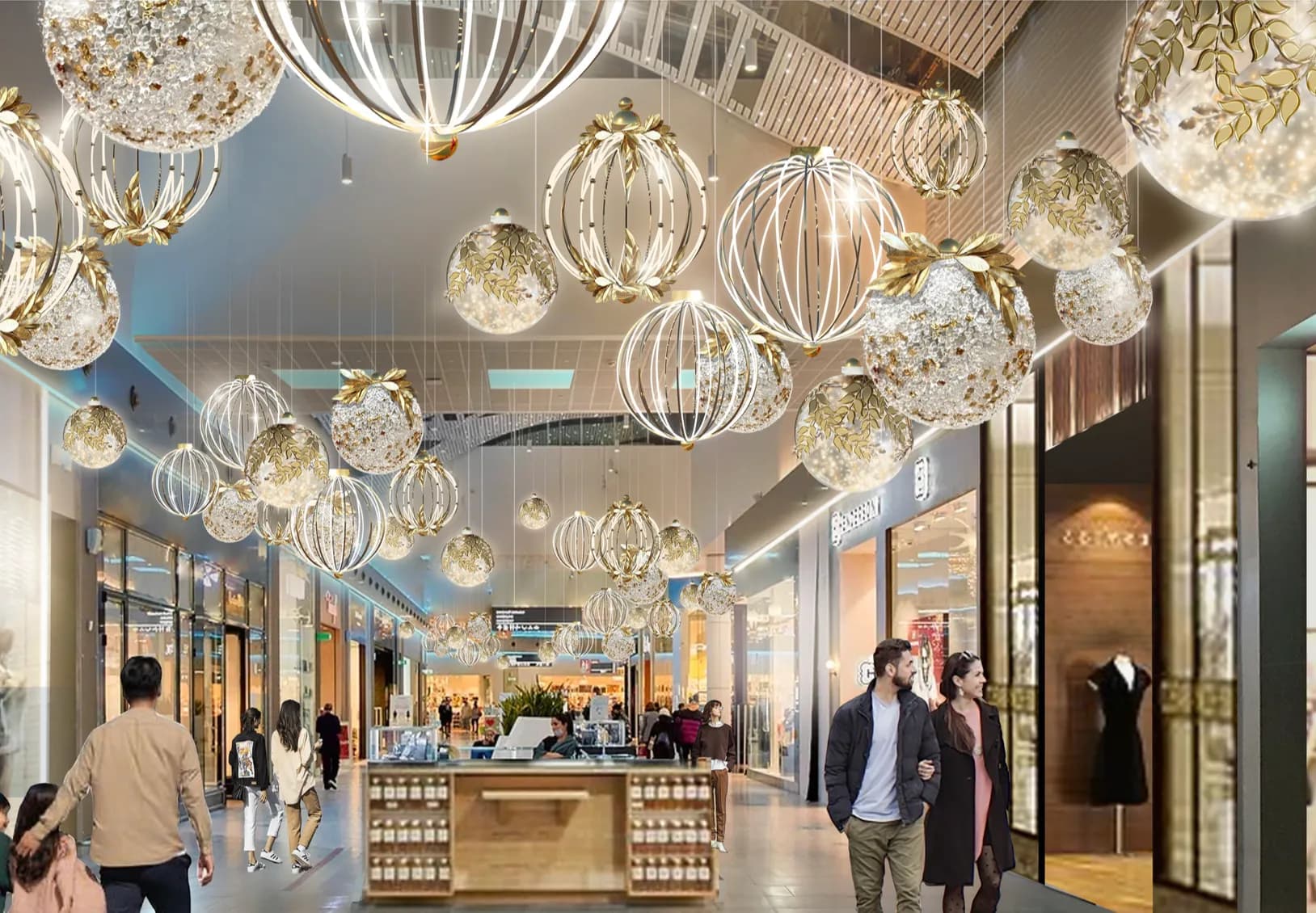
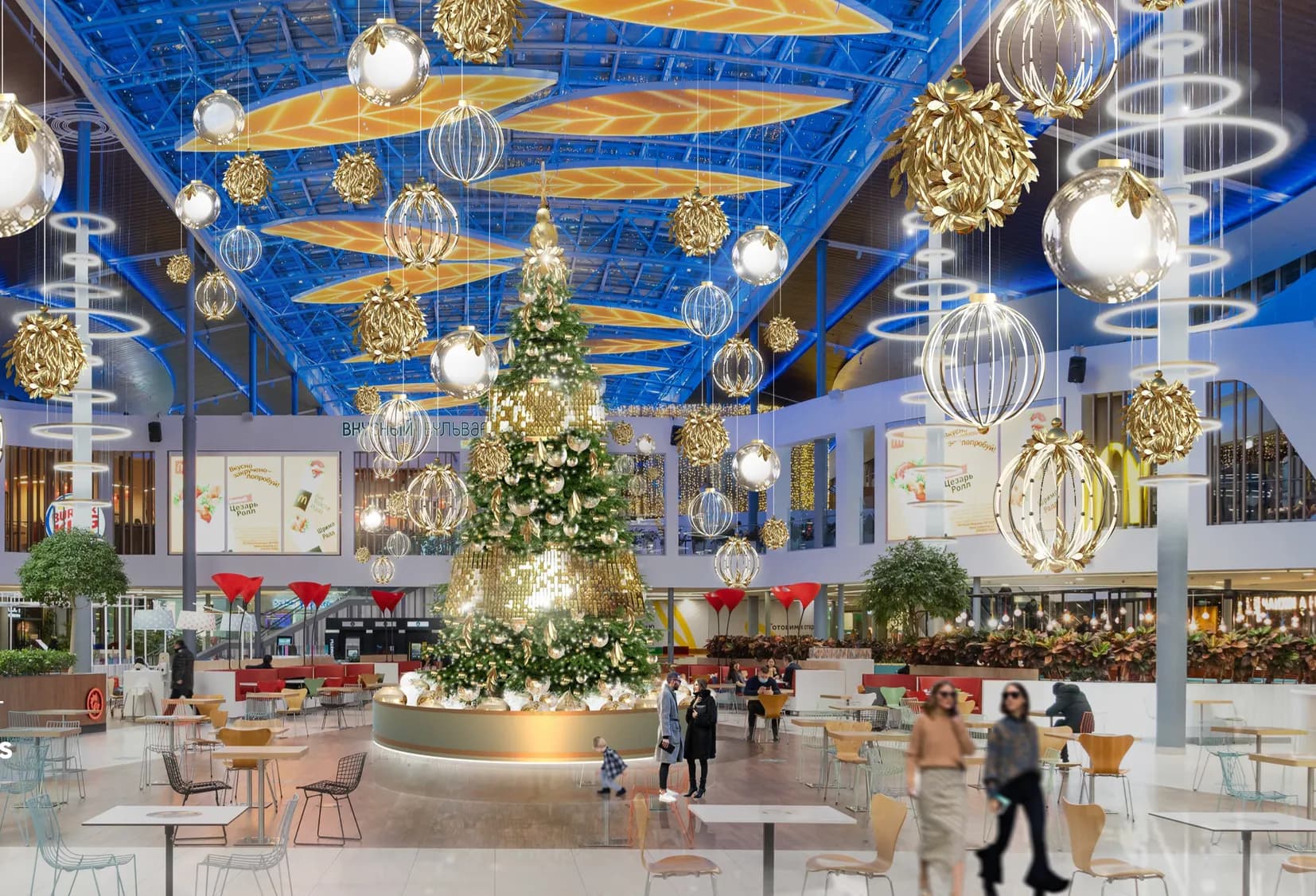
An environment people come back for
All projects →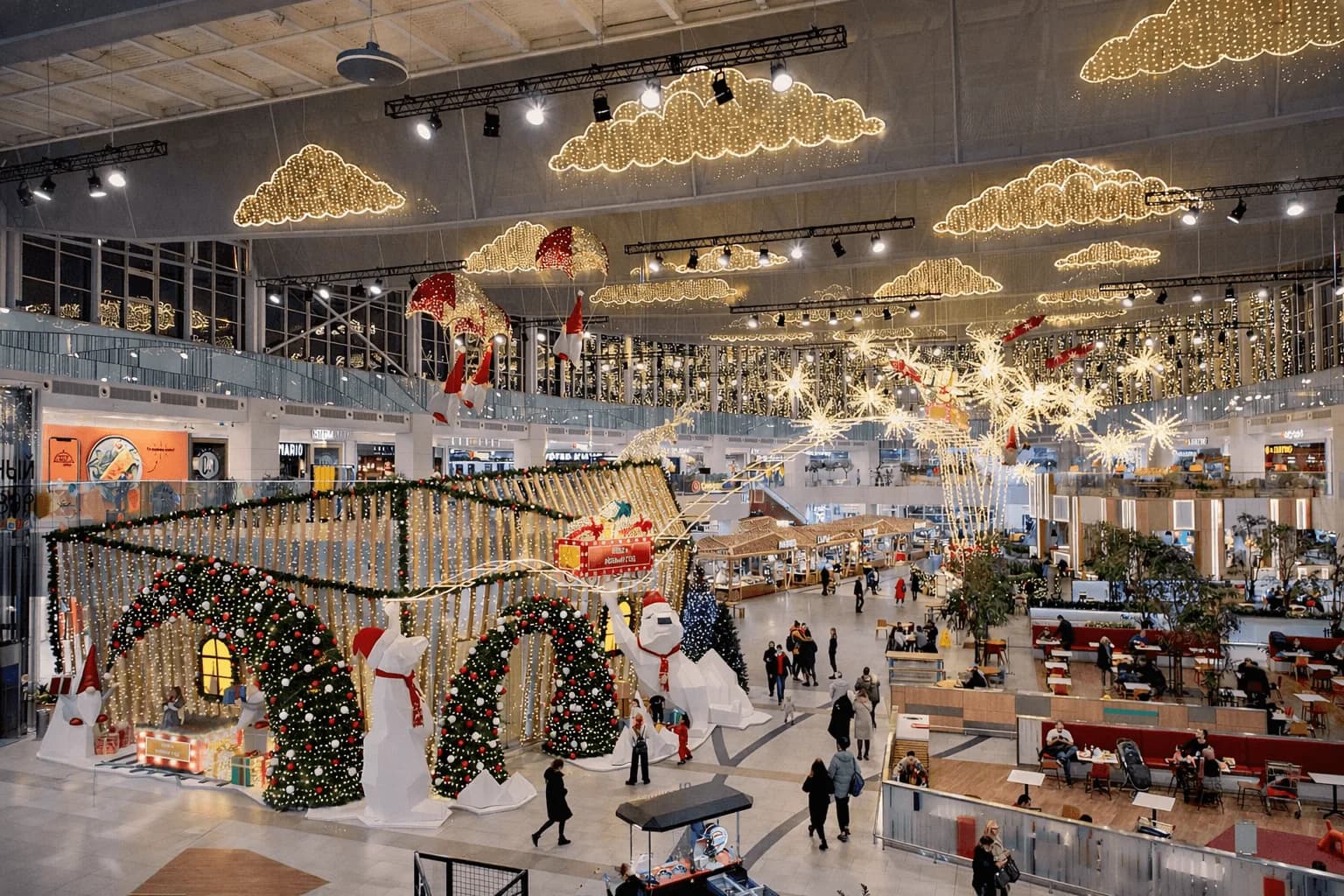
A place people come back to
Christmas environment design across 210,600 m², built on four levels of perception: footfall grew by 14% on the previous season.
2021-2023
Winter Promenade
The lighting environment of a 150,000 m² shopping centre: visitors slow their pace through the concourse and pause at the shopfronts.
2020-2022
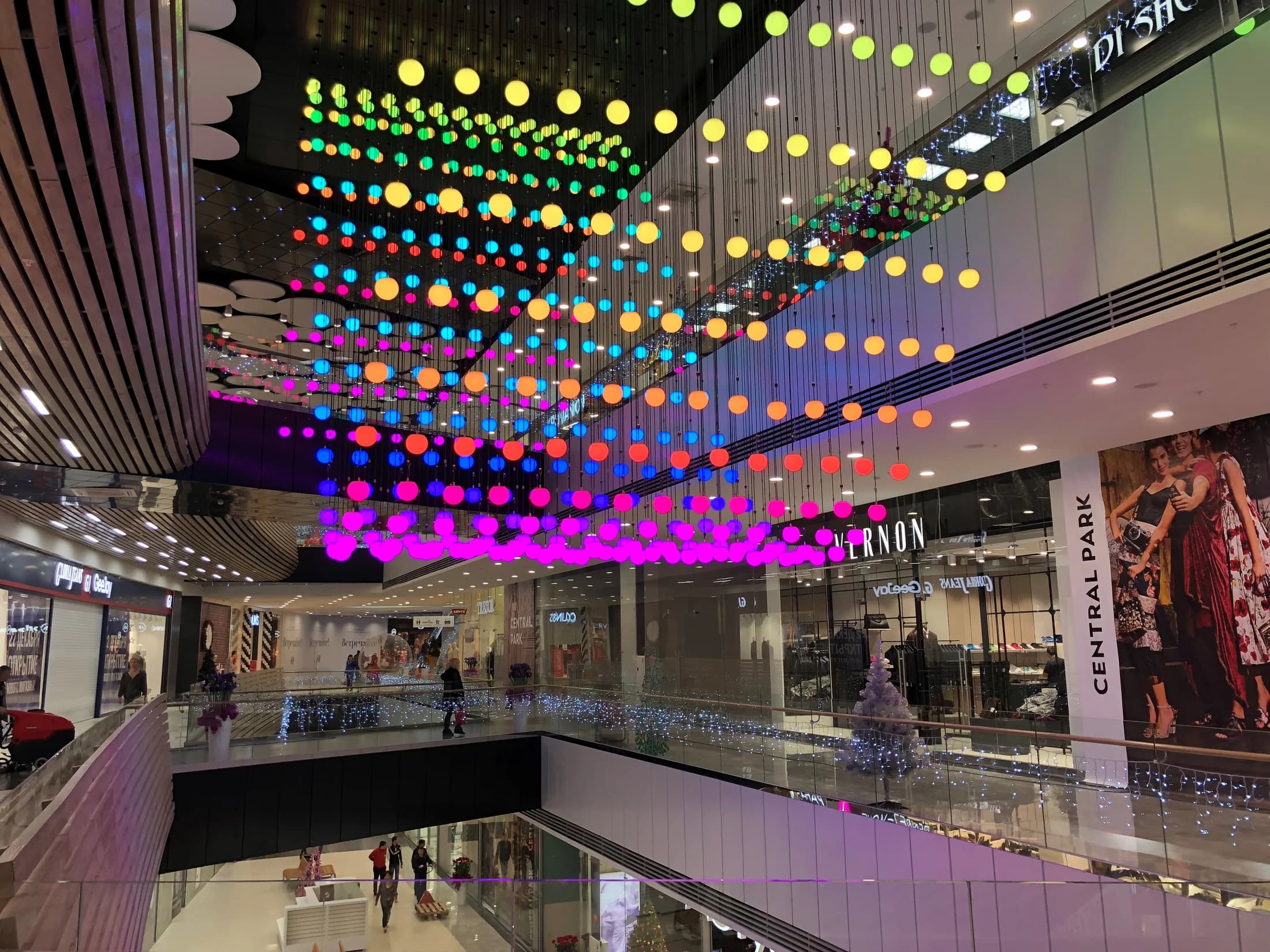
Living Sky
A kinetic light sky built into the building's frame - the centre opened with the environment already in place.
2019
Frequently asked questions
What does a Christmas scheme for a shopping centre cost?
It depends on the floor area and on whether the scheme runs through the whole building or concentrates on one zone. For a large centre the reference point is €150,000 and up. The forms are designed to work over several seasons and bring down the following year's budget.
When should a shopping centre start preparing its Christmas decoration?
In summer. The cycle from concept to completion takes three to four months, so Christmas decisions are made between June and August.
How does an artwork affect footfall?
It gives people a reason to come and a reason to photograph. A visitor's photograph creates organic reach that works for the centre. On our projects we have measured footfall increases of between 14% and 35%, depending on the centre and the season. Every space is assessed on its own, because the outcome also depends on the building and the location.
Can a piece be installed while the shopping centre is trading?
Yes. Installation runs on night shifts so as not to disturb customers.
What does the centre keep after January?
Everything designed as permanent: the gallery lighting, the fixing points and the production moulds. The rest is taken down and stored until the next season. The same set goes back up in a new arrangement, so the centre does not look the way it did a year ago.
Who is responsible for the result?
One studio and one contract. Concept, design, engineering, fabrication and completion stay in the same hands. If something goes wrong, you won't have to work out whose part of the job it was.
What hangs above people, and how is it calculated?
A composition suspended over the atrium weighs several hundred kilos and hangs from the building's real structure. Loads and fixing points are calculated before fabrication and not adjusted on site. After the season the centre keeps the inspection records, and with them the facilities team signs off the installation without further questions.
Blog
Blog →The environment of your shopping centre
Brief us on the format and the key atriums - we'll propose three anchors.